Preparing Your Property for Aerial Photography
Aerial photography reveals your property from perspectives ground-level photos never capture, but it also shows everything—including things you might prefer buyers not to see. Proper preparation ensures your property looks its absolute best from above. This comprehensive checklist helps you maximize the value of your drone photography investment by making sure every visible detail contributes to a positive impression.
Lawn and Landscape Maintenance
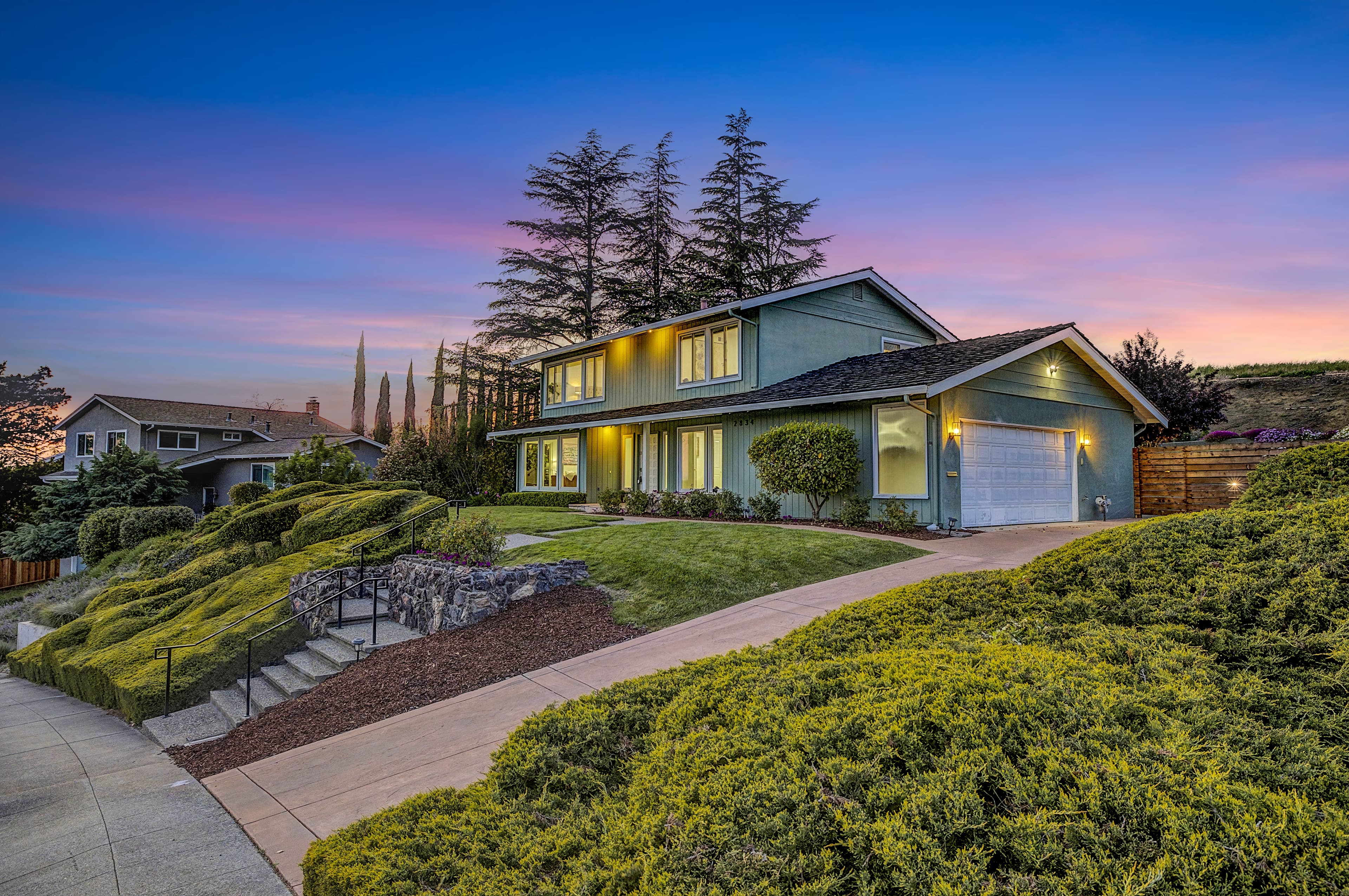
Your property's aerial view is dominated by landscaping, making lawn and garden care critical. Mow the lawn 1-2 days before the shoot—freshly cut grass looks manicured while giving stripes time to fade. Edge all walkways, driveways, and planting beds for clean, defined lines. Trim overgrown shrubs and hedges into neat shapes. Remove weeds from all visible areas including gravel driveways and between pavers. Rake leaves or yard debris that would create visual clutter. If you have flowering plants, consider timing the shoot when they're in bloom for added color and appeal.
Pool and Water Features
Pools dominate aerial shots of properties that have them, making pool presentation crucial. Remove the pool cover at least 24 hours before shooting to allow water to calm and any residue to dissipate. Skim leaves, debris, and bugs from the water surface. Brush pool walls and vacuum the bottom if needed—cloudy water photographs poorly. Ensure water chemistry is balanced for optimal clarity and color. Clean pool decking and remove pool toys, floats, and maintenance equipment. For properties with fountains or ponds, ensure water features are running and clean. Stagnant or dirty water features photograph badly and hurt the property's overall appeal.
Driveway and Parking Areas
Driveways and parking areas occupy significant space in aerial photos and immediately signal property maintenance levels. Sweep or pressure wash driveways, removing oil stains if possible. Move all vehicles from driveways, parking areas, and streets in front of the property. Even nice cars clutter aerial compositions and distract from the property itself. Ask neighbors to move RVs, boats, or commercial vehicles visible in your property's shots. Repair obvious cracks or damage if timing and budget allow. Aerial perspectives make driveway conditions more apparent than ground-level shots, so address visible issues where practical.
Roof and Gutters
Drone shots showcase roofs prominently, making roof condition highly visible. Inspect your roof for obvious issues—missing shingles, damaged flashing, visible wear. While you can't replace a roof before listing, be aware that condition will be apparent in aerial shots. Clean gutters so debris isn't visible from above. Remove any items stored on roof sections—satellite dishes and solar panels stay, but ladder stabilizers, tools, or other items should be removed. If you have a flat roof with HVAC equipment, there's little you can do about that, but remove any obvious clutter or debris from these areas.
Outdoor Furniture and Equipment
Take a critical look at all outdoor items from an aerial perspective. Arrange patio furniture neatly rather than haphazardly. Remove or store worn, damaged, or off-season furniture. Put away garden tools, hoses, and equipment. Fold down and secure pool umbrellas and awnings unless they add to the property's appeal. Remove or strategically place garbage cans, recycle bins, and utility items. Children's toys should be stored—swing sets and permanent play structures stay, but scattered toys need to go. Each item in the frame should either enhance the property's appeal or be necessary infrastructure; everything else should be removed.
Timing and Seasonal Considerations
Scheduling aerial photography for optimal seasonal conditions dramatically impacts results. Spring and summer offer lush green landscaping that photographs beautifully. Fall can work well if timed for colorful foliage before leaf drop creates bare trees and brown lawns. Winter aerial photography should generally be avoided in areas with snow unless fresh snow provides a pristine, appealing blanket. Brown, dormant winter landscaping looks unappealing from above. If you must shoot during less-than-ideal seasons, focus on property features that aren't season-dependent—roof condition, property layout, proximity to amenities.
Weather and Lighting
Weather determines aerial photography success more than any other factor. Schedule shoots for clear or partly cloudy days—overcast skies create flat, gray images. Check the forecast a few days ahead and be flexible about rescheduling if weather looks problematic. Wind is particularly important for drone flights—high winds make flying unsafe and create unstable footage. Morning or late afternoon provides the best lighting with longer shadows that add depth and dimension. Midday overhead sun creates harsh lighting and minimal shadows that flatten aerial images. Coordinate with your photographer on optimal timing for your specific property and location.
Communicating with Neighbors
Professional courtesy and practical considerations make neighbor communication important. Inform adjacent neighbors about the scheduled drone shoot, especially if the photographer will need to fly over their property to get optimal angles. Ask if they'd be willing to move any vehicles, RVs, or boats that might appear in your shots. Most neighbors are cooperative when asked politely in advance. This communication also prevents complaints or concerns about the drone operator's presence. In some neighborhoods or HOA communities, you may need formal permission or advance notification for drone operations, so check requirements early in your planning.
Day-of-Shoot Checklist
On shooting day, perform a final walkthrough from the ground. Make one more quick pass of the lawn for any new debris. Verify all vehicles are moved. Confirm pools and water features look clean. Check that all stored items remain out of sight. Remove any last-minute clutter that appeared since your prep work. Turn on any landscape lighting or water features you want shown. Then step back and let the photographer work—they'll identify the best angles and altitudes to showcase your property. Professional drone operators know how to frame shots that minimize any unavoidable flaws while highlighting your property's strongest features.
Conclusion
Aerial photography preparation requires attention to details that ground-level staging doesn't address. The bird's-eye perspective reveals everything, making thorough preparation essential to maximizing your investment. The good news is most preparation tasks are straightforward cleaning and organizing projects that improve curb appeal for ground-level photos as well. Approach preparation systematically, give yourself adequate time, and don't hesitate to reschedule for better weather if needed. Proper preparation ensures your aerial shots showcase your property at its absolute best, providing powerful marketing imagery that helps your listing stand out and sell quickly.