HDR Photography Explained
High Dynamic Range (HDR) photography has become the standard for professional real estate images, yet many sellers don't understand what it is or why it matters. HDR isn't just a technical process—it's the difference between amateur-looking photos that buyers scroll past and professional imagery that stops them in their tracks. Let's demystify HDR and explore why it's essential for showcasing properties effectively.
What Is HDR Photography?
HDR photography combines multiple exposures of the same scene to capture detail in both the brightest and darkest areas. Standard cameras can't capture the full range of light the human eye sees—bright windows blow out to solid white while dark corners disappear into murky shadows. HDR solves this by taking several photos at different exposures (typically 3-7 shots) and merging them into a single image that shows detail everywhere, from sunny windows to shadowy corners.
The Problem HDR Solves
Walk into any room with windows and your eyes effortlessly see both the bright outdoor view and the interior details. Cameras can't do this naturally. Expose for the windows and the room goes dark. Expose for the room and windows become featureless white rectangles. This limitation makes properties look uninviting and poorly lit. HDR technology mimics human vision, creating images where windows show actual views while interiors remain bright and detailed—exactly what buyers need to properly evaluate a space.
Natural HDR vs. Overdone HDR
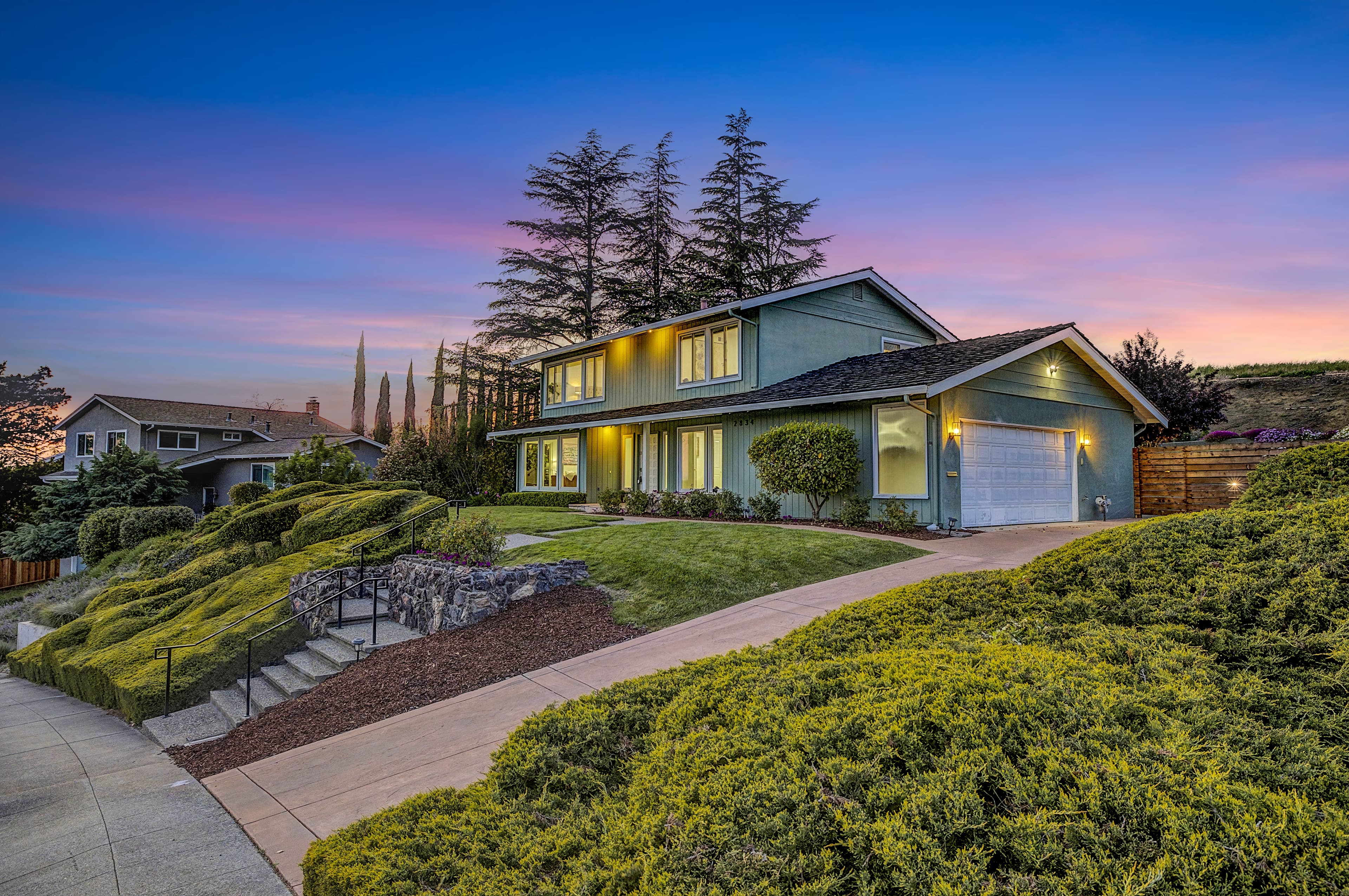
The goal of HDR in real estate is natural-looking images, not artistic special effects. Properly executed HDR is subtle—viewers shouldn't notice the technique. They should just think the property looks great. Overdone HDR creates unrealistic images with glowing halos around objects, garish colors, and an artificial appearance that screams "heavily edited." Professional real estate photographers master the delicate balance of showing all details while maintaining realism. The best HDR work is invisible.
When HDR Is Most Essential
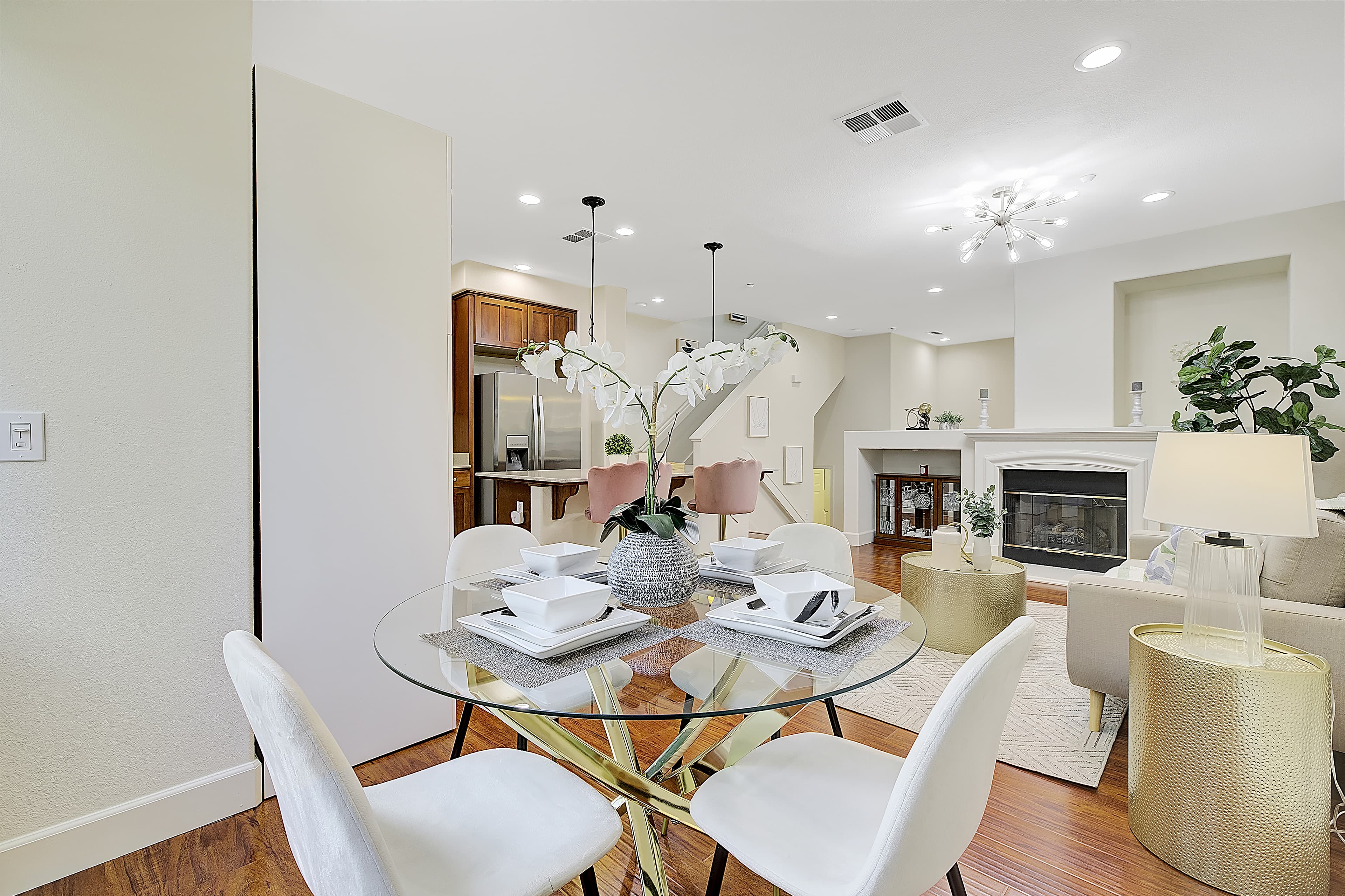
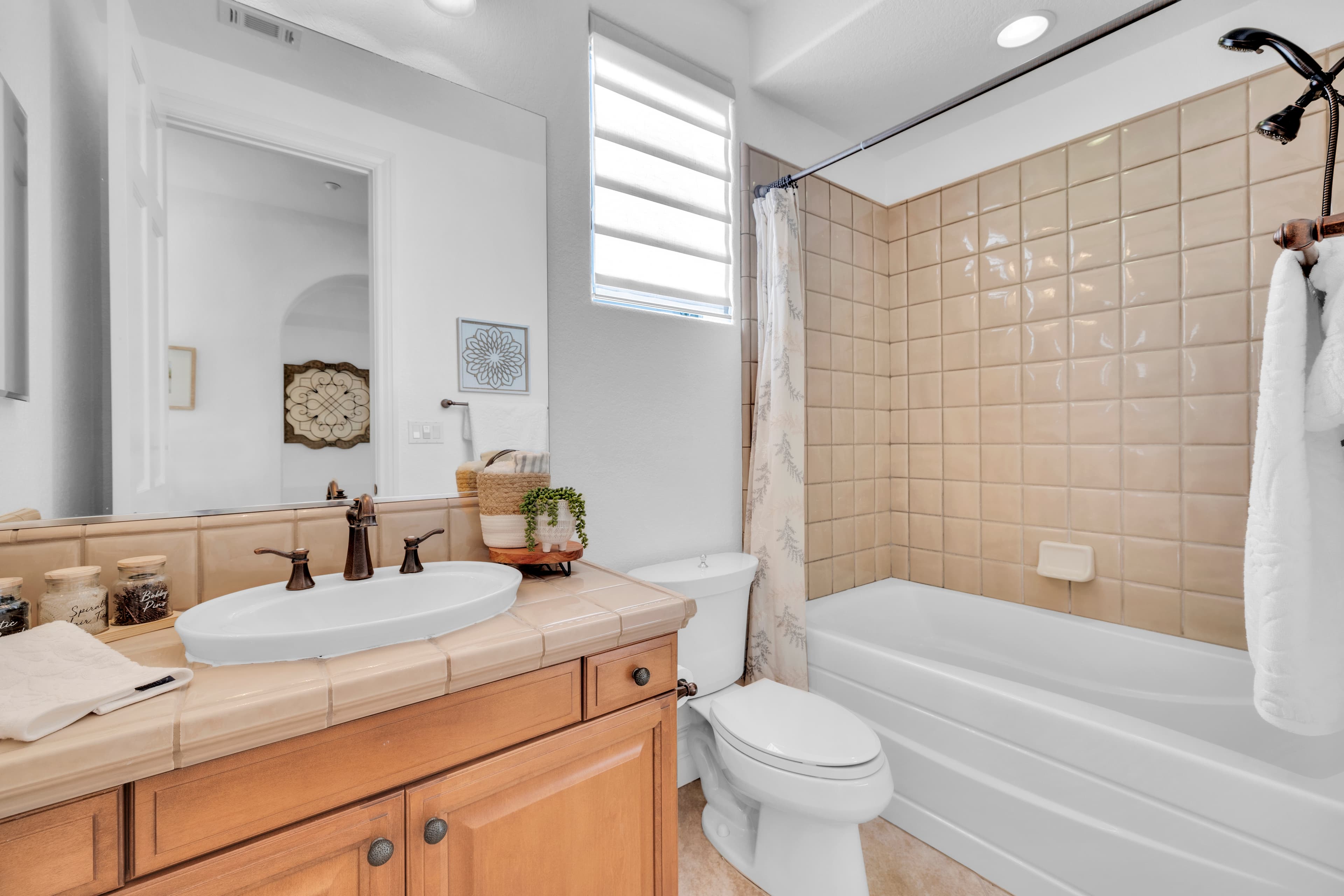
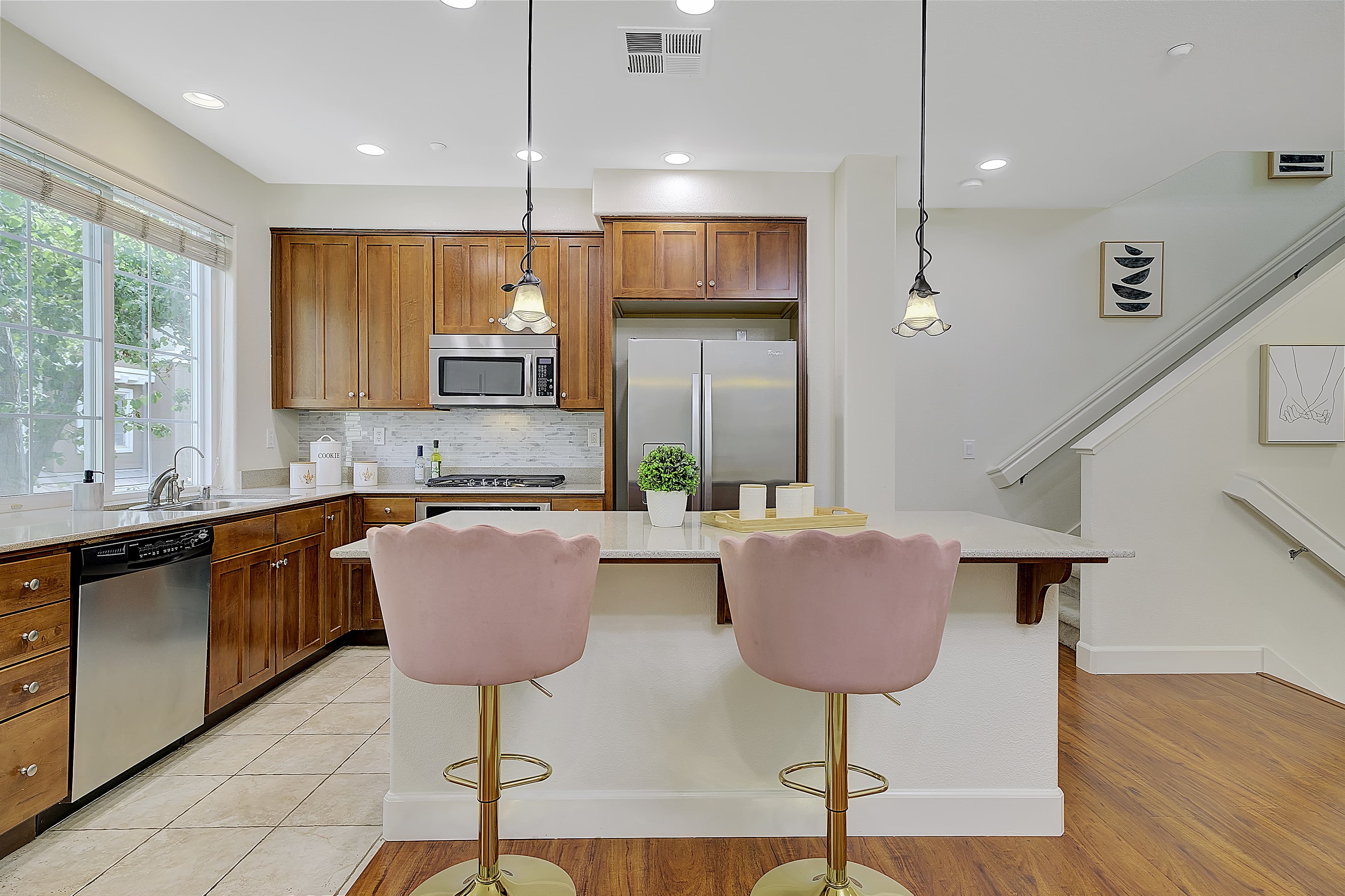
Certain situations absolutely require HDR to produce acceptable results. Rooms with large windows or glass doors need HDR to show both the view and interior. Spaces with high ceilings and varied lighting benefit dramatically from HDR's ability to balance light levels. Dark rooms with limited natural light look significantly better with HDR processing. Kitchens and bathrooms with reflective surfaces appear cleaner and more spacious when HDR captures detail in all areas. Essentially, if a room has any lighting challenges, HDR isn't optional—it's necessary.
The HDR Process Explained
Professional real estate photographers use specific techniques to create quality HDR images. They mount the camera on a sturdy tripod to ensure perfect alignment between exposures. They take a series of bracketed shots, typically at -2, 0, and +2 exposure values. Specialized software merges these images, carefully blending the best parts of each exposure. Final adjustments optimize color balance, contrast, and sharpness while maintaining a natural appearance. The entire process, when done properly, takes several minutes per shot—but the results justify the time investment.
HDR vs. Flash Photography
Some photographers use flash instead of HDR to brighten interiors, but the results differ significantly. Flash creates harsh, artificial lighting with obvious shadows and unnatural color casts. It can't fix blown-out windows—bright windows still lack detail. Flash reflection on mirrors, appliances, and glossy surfaces creates distracting hot spots. HDR produces natural-looking light that appears like an idealized version of what your eyes see. While flash has limited applications, HDR is the superior choice for nearly all real estate photography situations.
Mobile Phone HDR vs. Professional HDR
Modern smartphones include HDR modes that work reasonably well for casual photos but can't match professional equipment and expertise. Phone HDR processes everything automatically with no control over results. Image quality limitations—smaller sensors, inferior lenses—compromise final output. Phones struggle with complex lighting scenarios that professional cameras handle easily. While phone HDR is better than nothing for emergency situations, professional HDR photography produces dramatically superior results that justify the cost difference for serious listings.
Cost and Value Considerations
Professional HDR photography costs more than basic point-and-shoot photography because it requires more time, expertise, and processing. Most professional real estate photographers include HDR as standard practice—it's become the industry baseline. The minimal cost difference compared to non-HDR photography delivers massive value. Listings with professional HDR images receive more views, generate more showings, and often sell faster at higher prices. The investment in quality HDR photography typically returns 10-20 times its cost through improved marketing effectiveness.
Recognizing Quality HDR
Learning to identify well-executed HDR helps you evaluate photographer portfolios. Good HDR shows detail in windows without them glowing unnaturally. Interior spaces appear bright and inviting but not overly lit. Colors look accurate and appealing, not oversaturated or shifted. There are no halos or odd artifacts around objects or edges. The overall image looks like an idealized version of reality, not an obviously manipulated photo. If you're thinking "this property looks amazing" rather than "this photo looks edited," the HDR work succeeded.
Conclusion
HDR photography is not a luxury add-on—it's the foundation of professional real estate imagery. It solves fundamental problems that make properties look uninviting in standard photos. The technique shows properties as buyers want to see them: bright, detailed, and realistic. While the process requires skill and time, the results speak for themselves in improved engagement and sale outcomes. When budgeting for real estate photography, HDR should be considered an essential baseline service, not an optional upgrade. Your property deserves to be seen in its best light—literally.