The ROI of Professional Real Estate Photography
Professional real estate photography isn't an expense—it's one of the highest-return investments in your entire marketing budget. The data is compelling: quality images dramatically impact how quickly properties sell and for how much. Yet some sellers and agents still question whether professional photography is worth the cost. Let's examine the hard numbers that prove professional photography pays for itself many times over.
The Online First Impression Reality
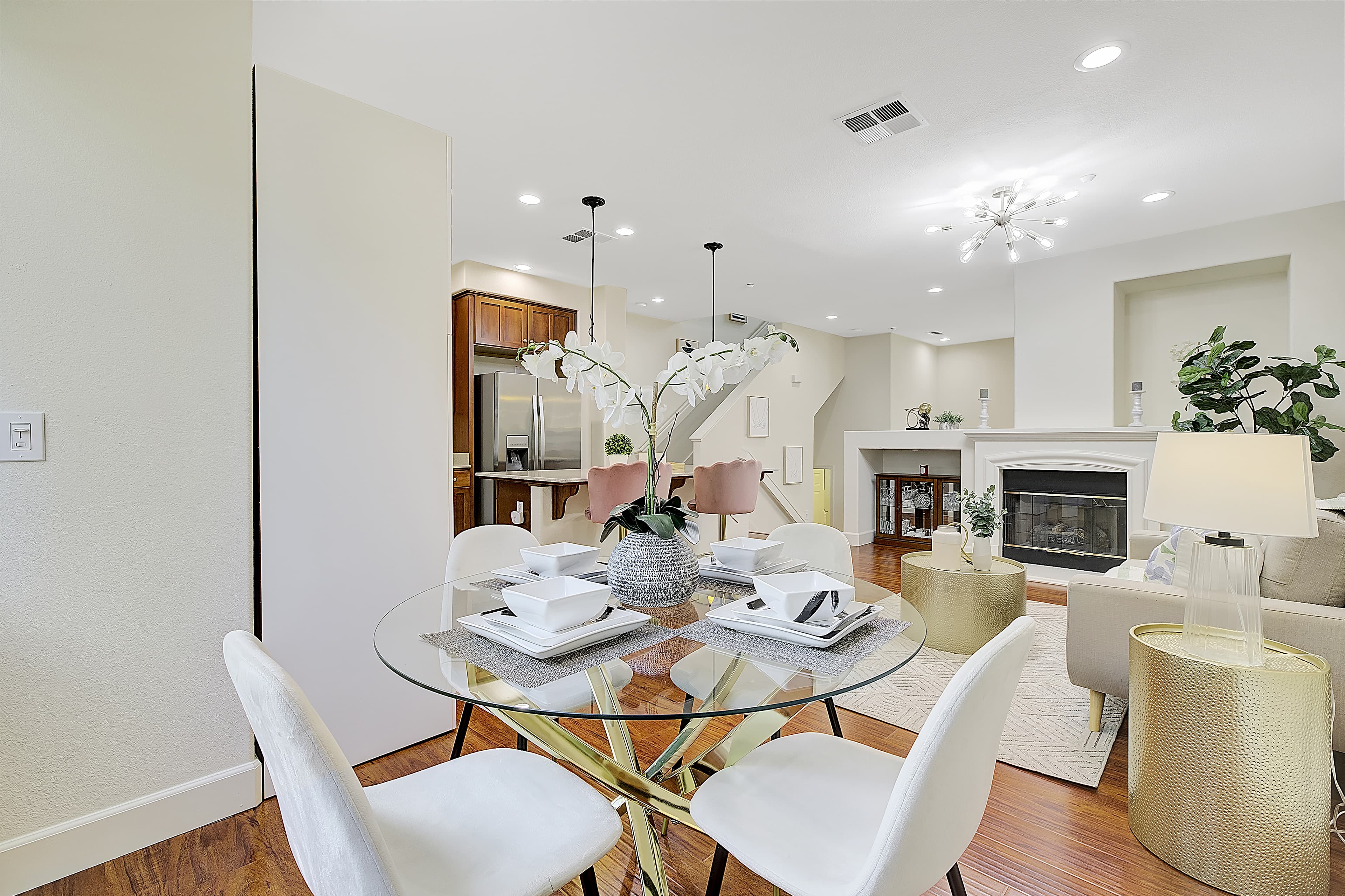
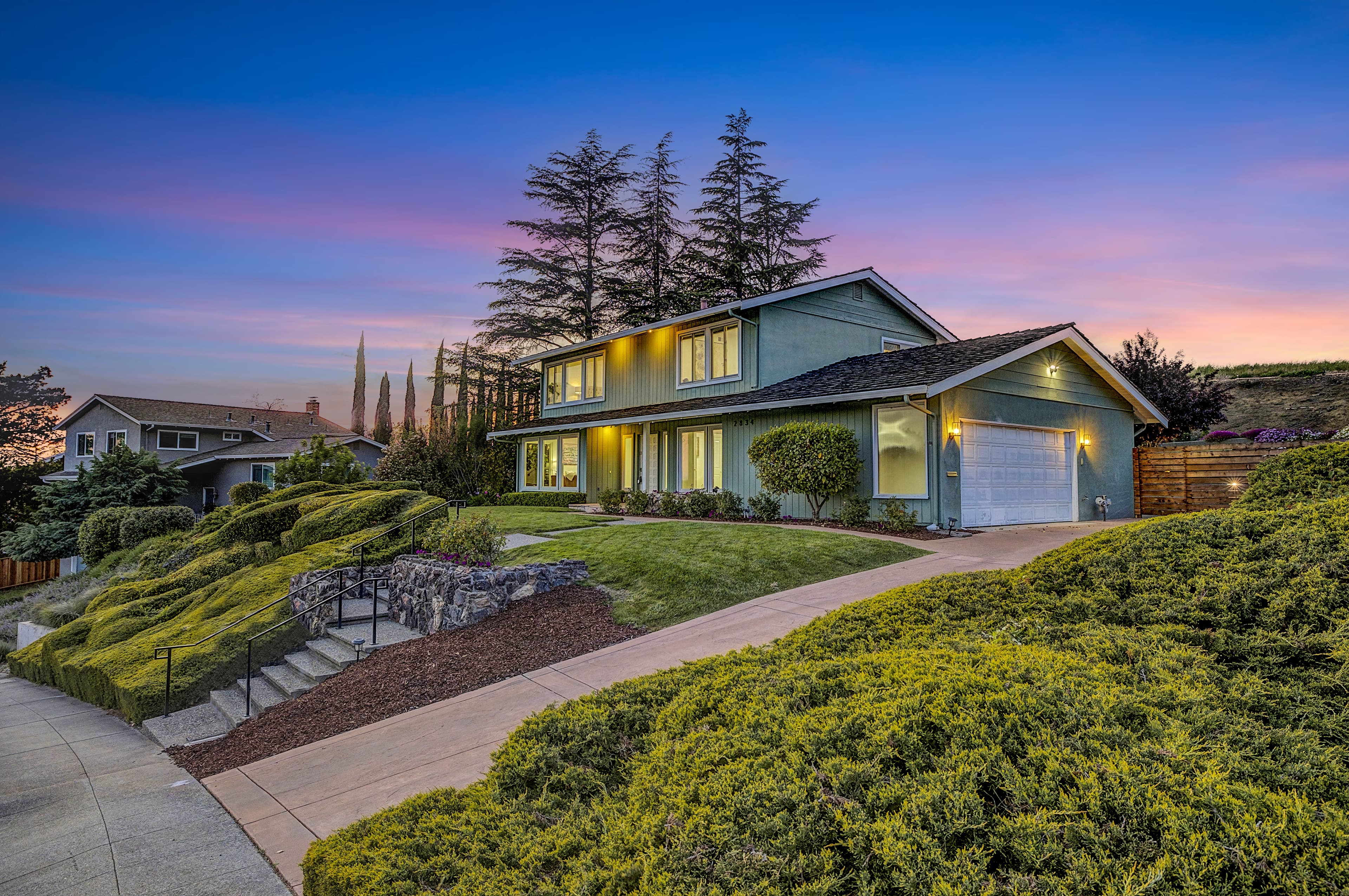
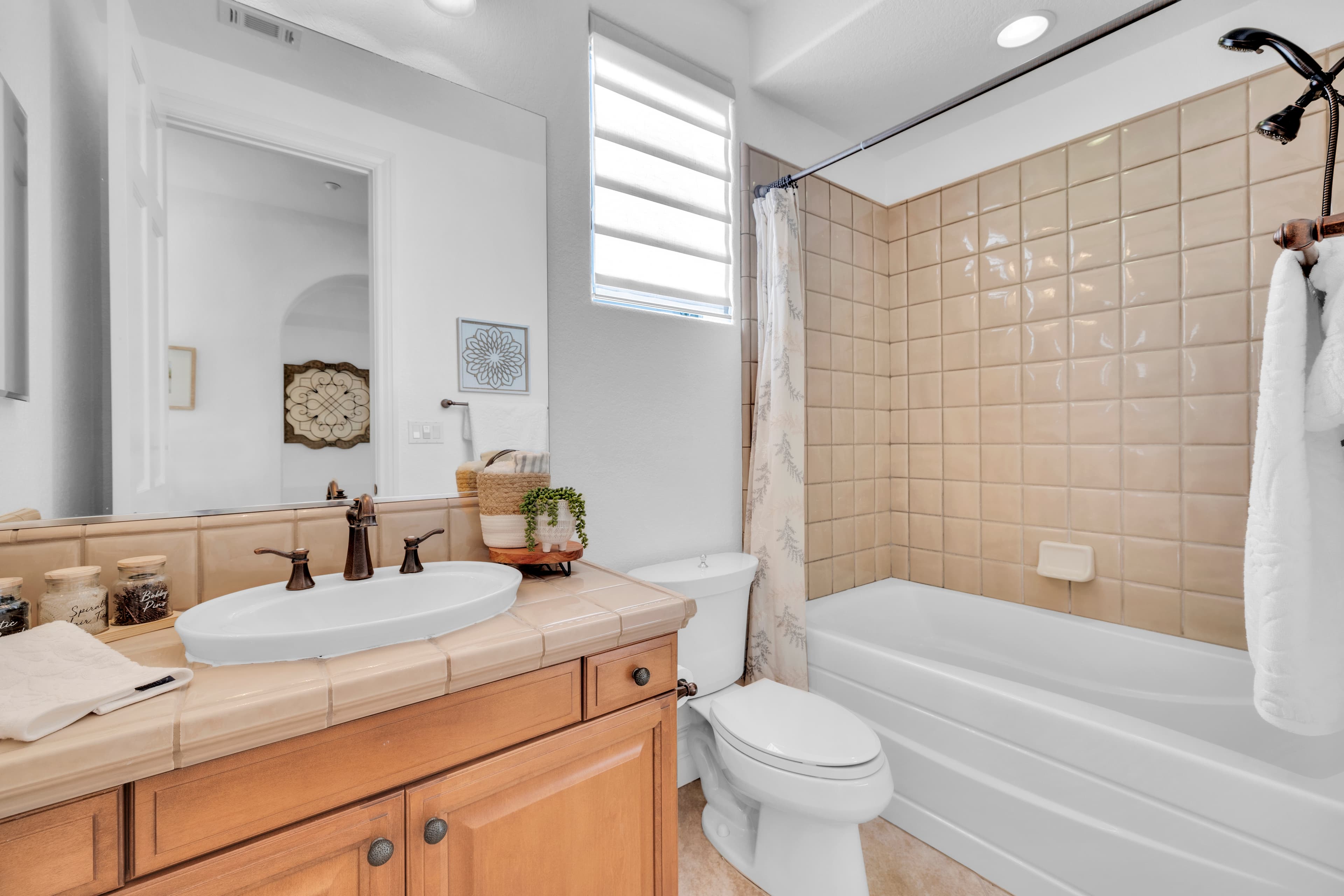
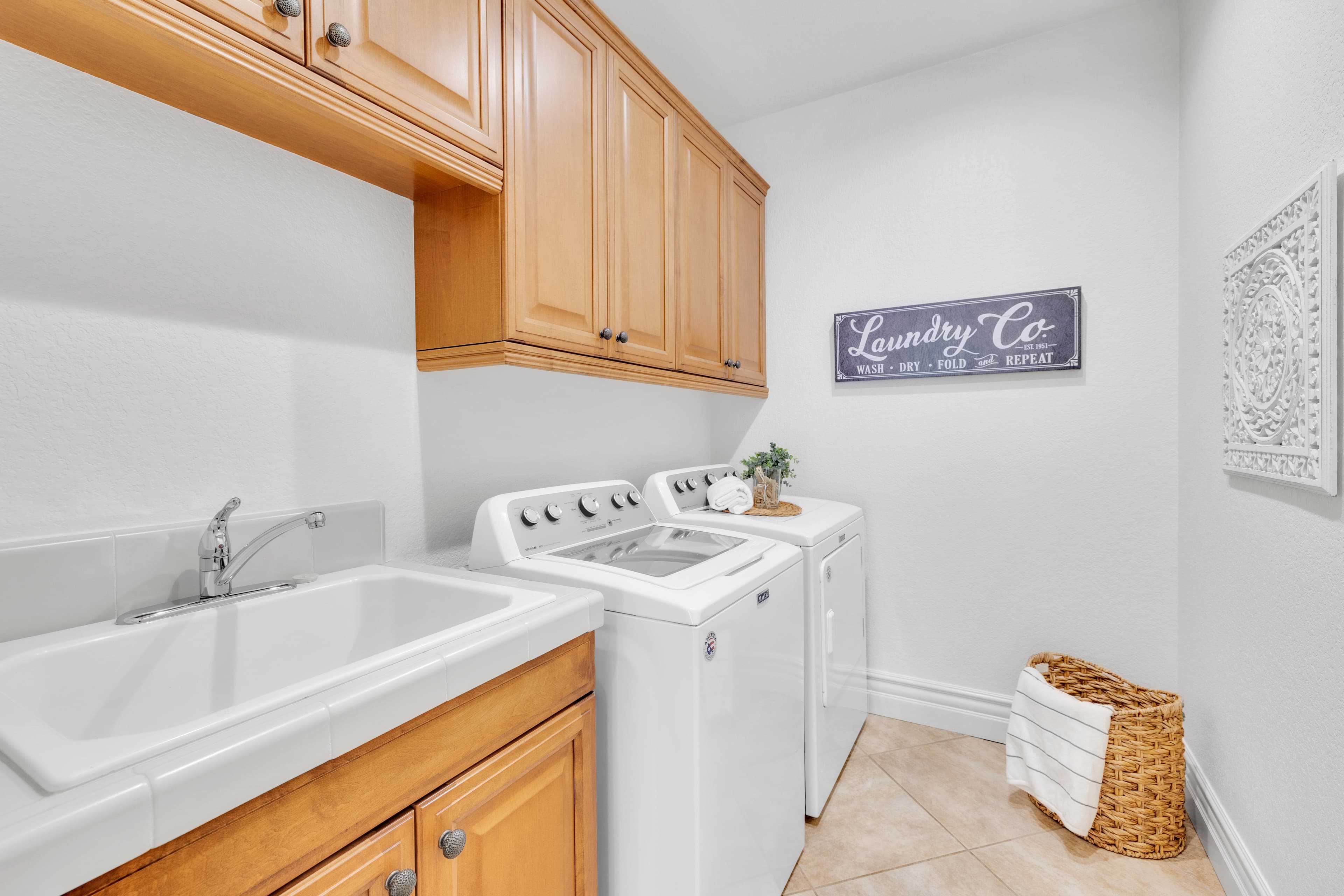
Understanding photography's ROI starts with accepting one fundamental truth: 95% of buyers begin their home search online. Your listing photos are their first—and sometimes only—impression of your property. Research shows buyers spend an average of 60 seconds reviewing online listings. Quality photos capture attention and encourage deeper exploration; poor photos result in immediate rejection. In those critical seconds, professional photography can mean the difference between a showing request and a swipe to the next listing. You never get a second chance at that first digital impression.
Speed to Sale: The Time Factor
Properties with professional photography sell dramatically faster than those with amateur photos or smartphone images. Studies consistently show homes with high-quality photos sell 32% faster than comparable properties with poor imagery. In a typical market, this translates to 25-40 fewer days on market. Carrying costs—mortgage, utilities, insurance, maintenance—quickly add up during extended listing periods. A $500,000 home costing $3,000 per month to carry saves $3,600-5,400 by selling one month faster. Professional photography costing $300-500 pays for itself within the first week if it accelerates the sale by even a few days.
Sale Price Impact
Professional photography doesn't just help homes sell faster—it helps them sell for more. Redfin research found that homes photographed professionally sold for $3,400-11,200 more than expected. Zillow data showed that listings with high-quality images sold for 39% closer to asking price than listings with amateur photos. The mechanism is simple: better photos attract more buyers, creating more competition and stronger offers. In markets where homes typically sell for 95% of listing price, moving that to 98-99% through better photography generates thousands in additional proceeds on even modest homes.
Showing Request Volume
More showings means more opportunities to receive offers and create competitive bidding. Listings with professional photos generate 118% more online views than those with poor photos. More views directly translate to showing requests—properties with quality imagery receive 2-3 times more showing requests than comparable listings with amateur photography. This increased traffic creates urgency and competition. Buyers who see multiple other parties interested feel pressure to make strong offers quickly. The showing volume professional photography generates is itself a powerful negotiating tool.
Breaking Down the Cost
Professional real estate photography costs vary by market and property size, but typical ranges help contextualize the investment. Basic photography packages cost $200-400 for standard homes. Adding twilight shots, drone aerials, or virtual tours might run $500-800 total. Luxury properties with comprehensive packages including video might invest $1,000-1,500. Compare these costs to typical real estate commissions: on a $500,000 sale, commission totals $25,000-30,000. Photography represents less than 2% of commission—yet impacts buyer perception more than almost any other marketing expenditure.
Comparison to Other Marketing Costs
Real estate marketing budgets often include various expenses: staging ($2,000-5,000), print materials ($200-500), digital advertising ($500-2,000), open house costs ($100-300 per event), and signage ($100-400). Professional photography costs less than most of these items while providing the foundation for all other marketing. Every other marketing channel—MLS, social media, print materials, email campaigns—relies on the imagery professional photography provides. No other single marketing investment serves as many purposes or appears in as many places as your listing photos.
The Compounding Effect
Professional photography's value compounds across multiple dimensions simultaneously. Better photos lead to more online views. More views generate more showing requests. More showings create more offers. Multiple offers drive competitive bidding. Competition increases sale price and reduces negotiation concessions. Faster sales reduce carrying costs and free agents to focus on new clients. Each benefit amplifies the others, creating value far exceeding the initial photography investment. This multiplicative effect is why savvy agents and sellers never question photography costs—they understand it's the cornerstone enabling everything else.
Agent Reputation and Future Business
For agents, professional photography impacts not just current listings but future business development. Listings with quality photography reflect positively on agent professionalism and marketing skills. Past clients remember and recommend agents who made their listings look spectacular. Online listing portfolios showcasing consistently beautiful photography attract new seller prospects. Social media posts featuring stunning imagery generate engagement and inquiries. The investment in photography builds agent brand value that pays dividends long after individual listings close. Agents known for quality presentation command higher listing fees and attract better clients.
The Risk of Cutting Corners
Some sellers attempt to save money with DIY smartphone photos or cut-rate photographers. This penny-wise, pound-foolish approach typically backfires. Amateur photos make properties look unprofessional, suggesting poor maintenance or undesirable features. Buyers assume if sellers won't invest in quality marketing, the property must have problems. Poorly photographed listings linger on market, ultimately requiring price reductions that dwarf what professional photography would have cost. A $5,000 price reduction to overcome market stigma from extended listing time costs 10 times more than professional photography would have cost initially.
Conclusion
The return on investment for professional real estate photography is clear, measurable, and substantial. Properties with quality imagery sell faster, command higher prices, attract more interested buyers, and position sellers and agents as serious professionals. The modest cost—typically less than 2% of commission—delivers returns measured in thousands of dollars and dozens of saved days. In competitive real estate markets, professional photography isn't a luxury or optional upgrade—it's a fundamental requirement for maximizing sale proceeds and minimizing time on market. The only question isn't whether you can afford professional photography; it's whether you can afford not to invest in it.