Video Tours vs. Still Photography: When to Use Each
The debate between video tours and still photography is common in real estate marketing circles. The truth is it's not an either-or question—both have distinct strengths and ideal use cases. Understanding when to use each medium helps you create comprehensive marketing packages that serve different buyer preferences and maximize your listing's reach across various platforms.
The Strengths of Still Photography
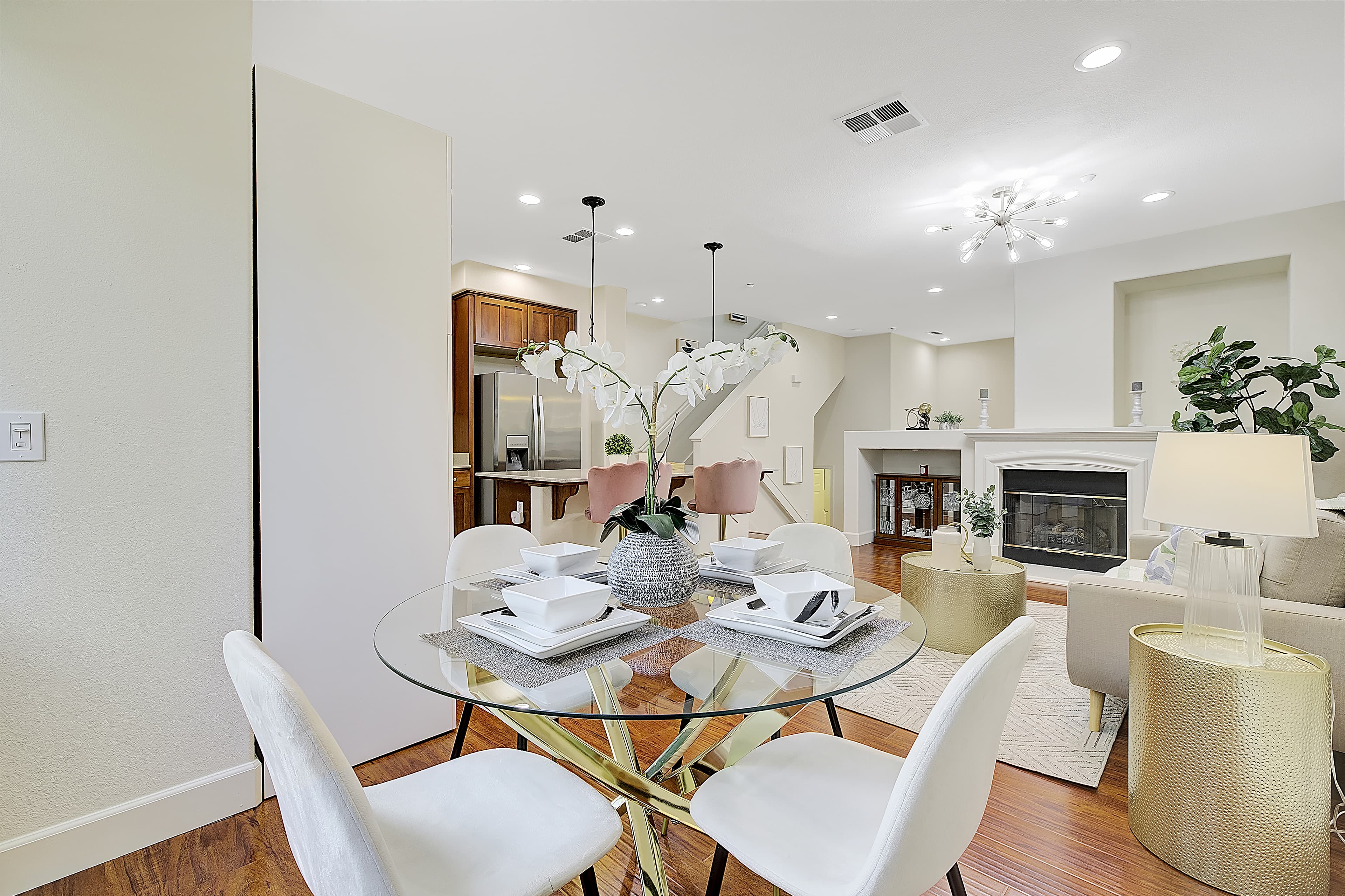
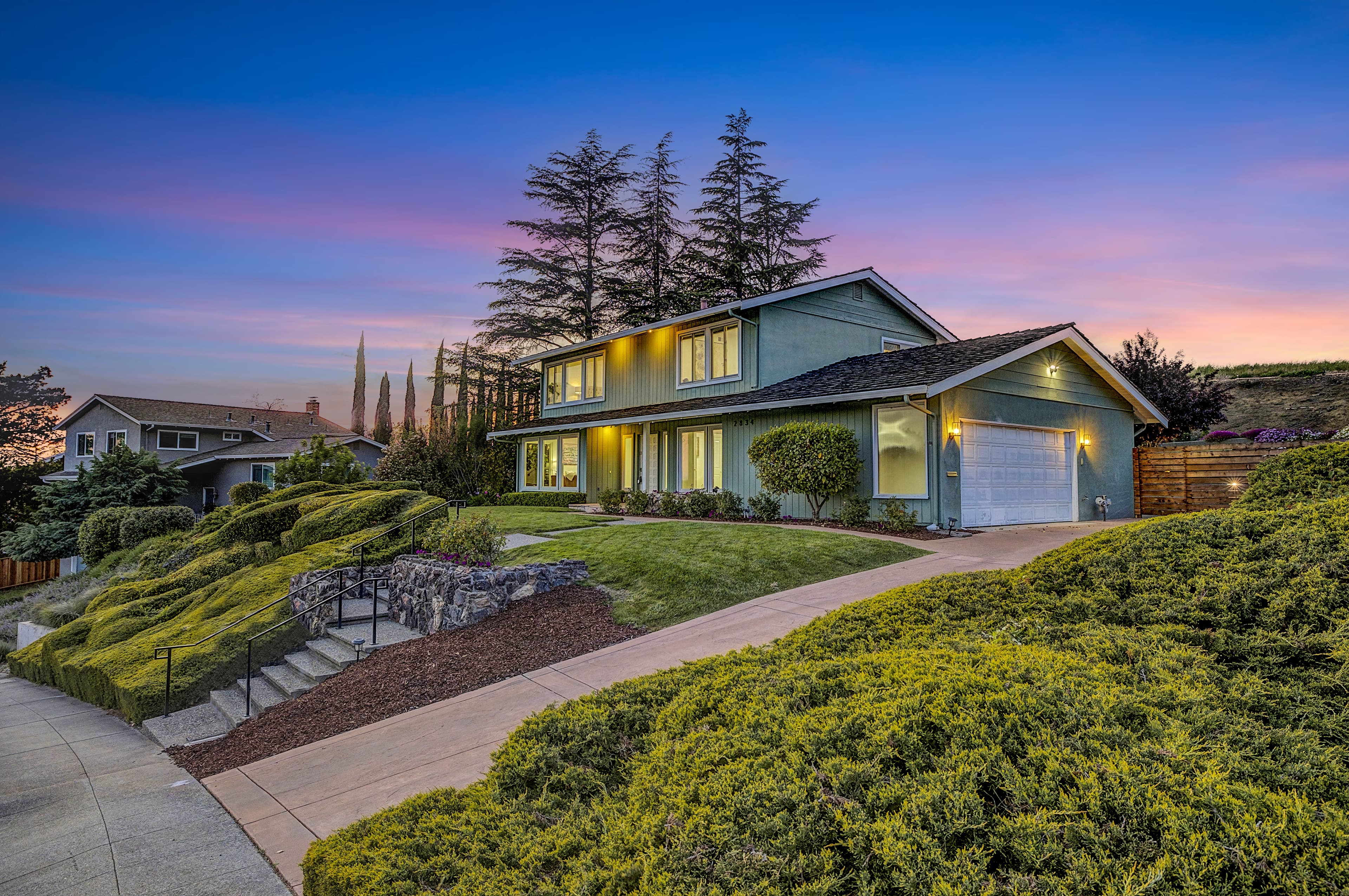
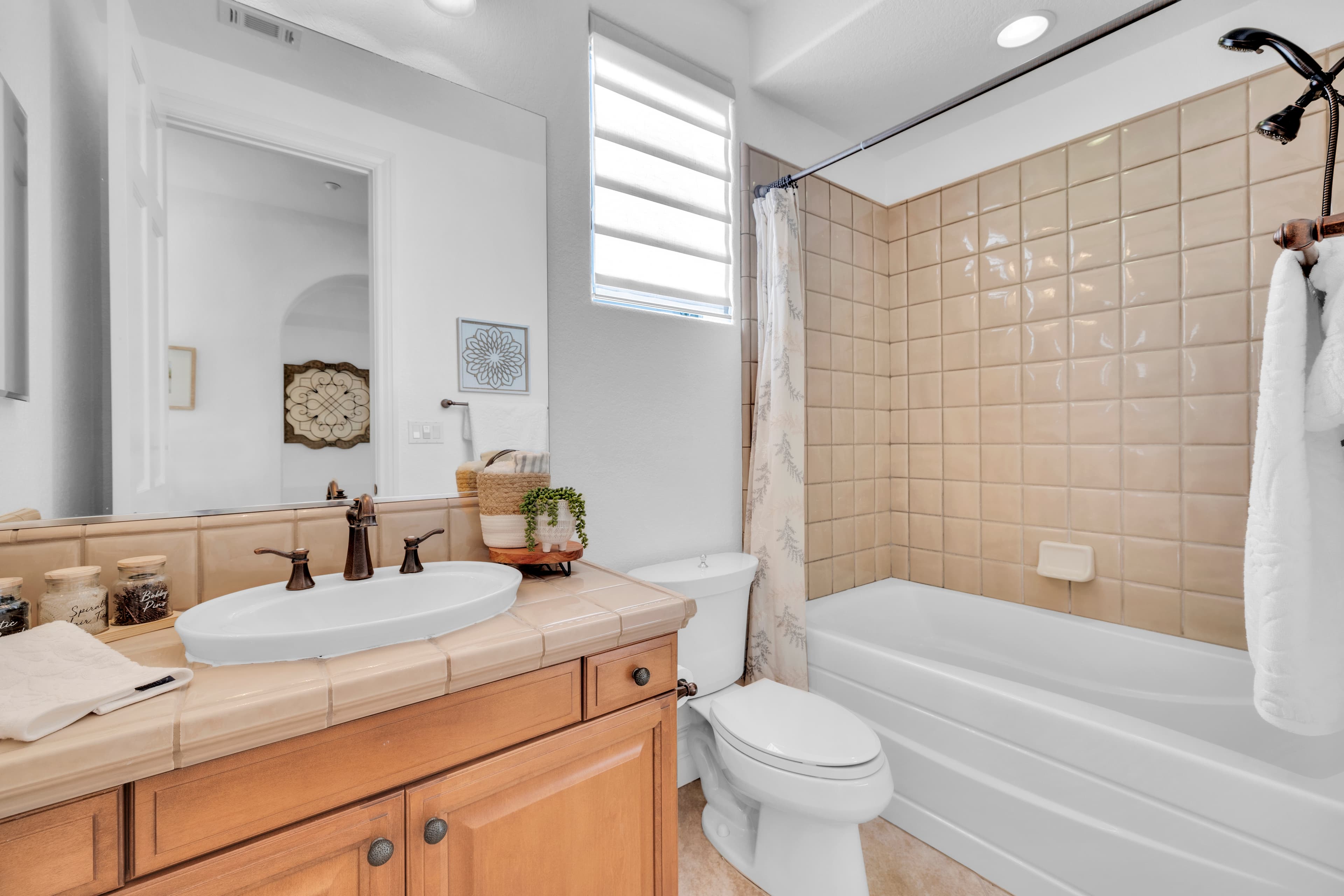
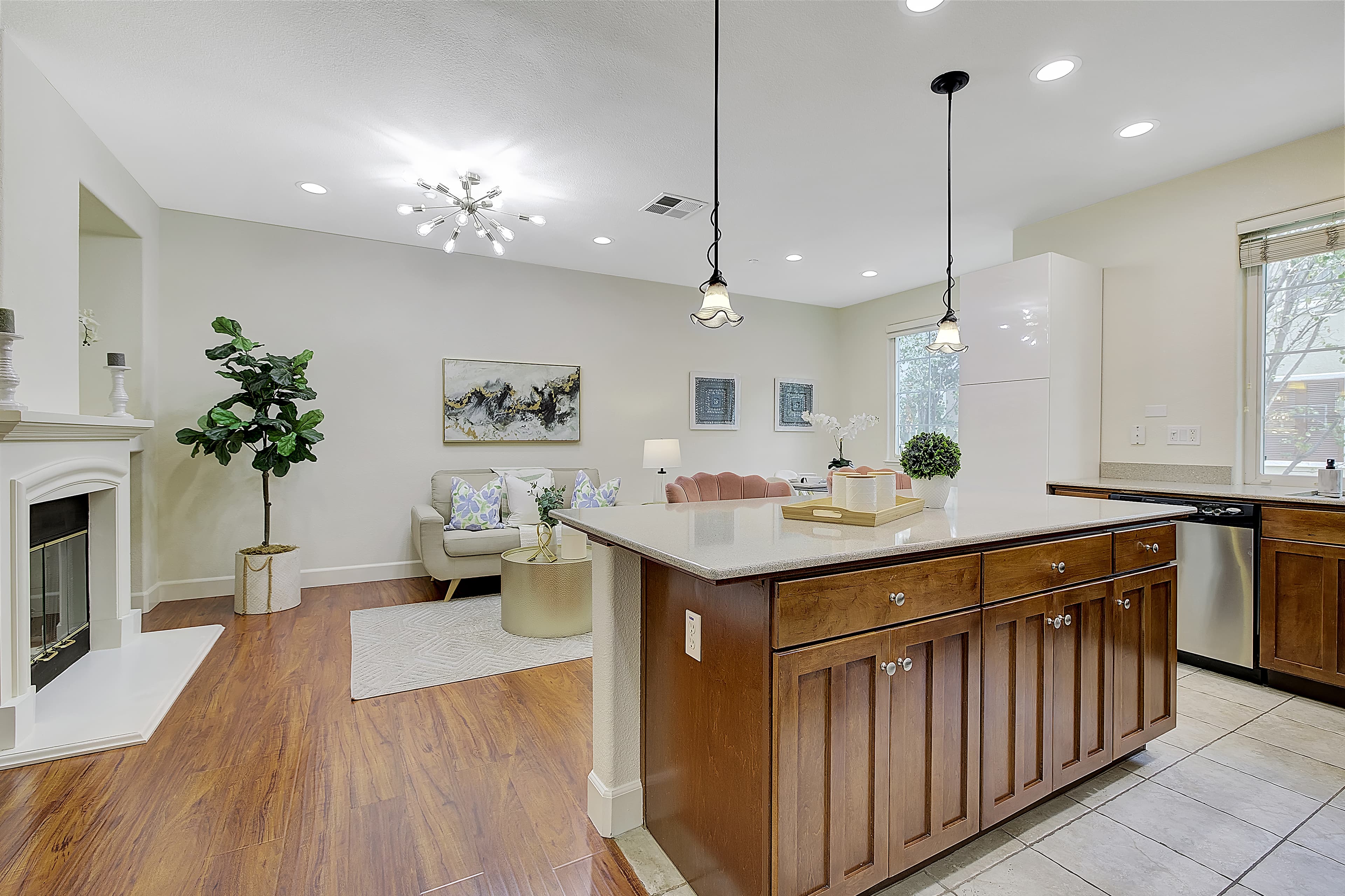
Still photos remain the foundation of real estate marketing for good reasons. They're perfect for MLS listings, which typically don't support video. Buyers can study still images at their own pace, zooming in on details that interest them. Print materials—brochures, postcards, magazine ads—require high-quality still images. Still photos work seamlessly across all listing platforms without technical compatibility issues. Most importantly, they create that crucial first impression that determines whether buyers click through to learn more. No matter how good your video content, quality still photography is non-negotiable.
Video's Unique Advantages
Video provides context and flow that still photos cannot match. Walking through a property on video helps buyers understand spatial relationships between rooms. Video captures the experience of moving through a space, showing how rooms connect and flow. Movement adds life and energy that static images lack. Video can showcase views that change as you walk through a room or move through outdoor spaces. For properties with impressive features—curved staircases, panoramic views, expansive grounds—video tells the story more effectively than any series of still images.
Platform-Specific Considerations
Different marketing channels favor different media formats. Social media platforms strongly favor video content, with algorithms giving video posts significantly more reach. YouTube requires video content and serves buyers specifically searching for property tours. Email marketing can include video links that increase engagement and click-through rates. Websites benefit from both, with still images for galleries and embedded video tours for deeper exploration. MLS systems remain primarily still-photo focused, though video support is increasing. Smart marketing strategies optimize content for each platform's strengths.
Budget and Time Factors
Cost and time investment differ significantly between formats. Quality still photography for a typical home takes 1-2 hours and costs $200-400. Video production requires 2-4 hours and typically costs $300-600, plus editing time. Processing still images takes hours, while editing professional video takes days. Rush situations often preclude video but still allow for quick-turnaround photography. Budget-conscious sellers might choose photography-only packages, while those marketing luxury properties typically invest in both formats. The key is understanding what you're getting for the additional investment.
Buyer Preference Patterns
Different buyer demographics show distinct media preferences. Younger, tech-savvy buyers expect video tours and consume them readily. Busy professionals appreciate video's efficiency—watching a 2-minute video tour quickly eliminates properties that don't meet their needs. Out-of-area buyers rely heavily on video to remotely evaluate properties before traveling for showings. Traditional buyers still prefer studying still photographs at their own pace. Luxury buyers expect comprehensive documentation including both high-end photography and cinematic video tours. The most effective marketing speaks to all these preferences.
Creating Effective Video Tours
Quality matters enormously in real estate video. Smooth, stabilized footage using gimbals or steady camera techniques looks professional; shaky handheld video looks amateurish. Pacing should be deliberate—not rushed but not painfully slow. Proper lighting is just as critical for video as for still photography. Natural movement through spaces works better than jarring cuts and transitions. Background music should be subtle and non-distracting. Professional voiceover or text overlays can highlight key features. Length matters too—2-3 minutes hits the sweet spot between comprehensive coverage and maintained attention.
Hybrid Approaches
Some innovative techniques combine still and video strengths. Slideshow videos compile still photos with smooth transitions and music, offering video's social media advantages with still photography's image quality. Time-lapse videos show properties at different times of day, highlighting natural light changes. Drone footage combines still photos and video clips for comprehensive aerial perspectives. These hybrid approaches often provide excellent value, leveraging existing still photography to create video content without full video production costs.
When to Choose Both
Certain properties and situations justify investment in both comprehensive still photography and video tours. Luxury homes benefit from complete visual documentation across all media types. Unique properties with distinctive features or unusual layouts need both to properly convey their character. Properties targeting out-of-area buyers require thorough documentation to support remote decision-making. Competitive markets demand complete marketing packages to stand out. Properties at higher price points easily justify the incremental video cost given the potential commission on the sale.
When to Skip Video
Video isn't always necessary or worth the investment. Lower-priced properties in hot markets sell quickly with just quality photos. Small condos or standard layouts don't benefit much from video walk-throughs. Rushed timelines may not allow for quality video production. Properties with obvious flaws might be better served by carefully composed still photos rather than video that reveals every imperfection. Sellers on tight budgets get more value from excellent still photography than from mediocre video. Know when to allocate resources to photography excellence rather than spreading budget thin across multiple formats.
Conclusion
The video versus still photography question has no universal answer—context determines the best choice. Professional still photography remains essential across all listings and price points. Video adds value for properties where spatial flow, unique features, or luxury market expectations justify the additional investment. The most sophisticated marketing strategies use both formats strategically, leveraging each medium's strengths across appropriate platforms. Rather than choosing between video and photography, think about how both can work together to tell your property's complete story and reach the widest possible audience of qualified buyers.